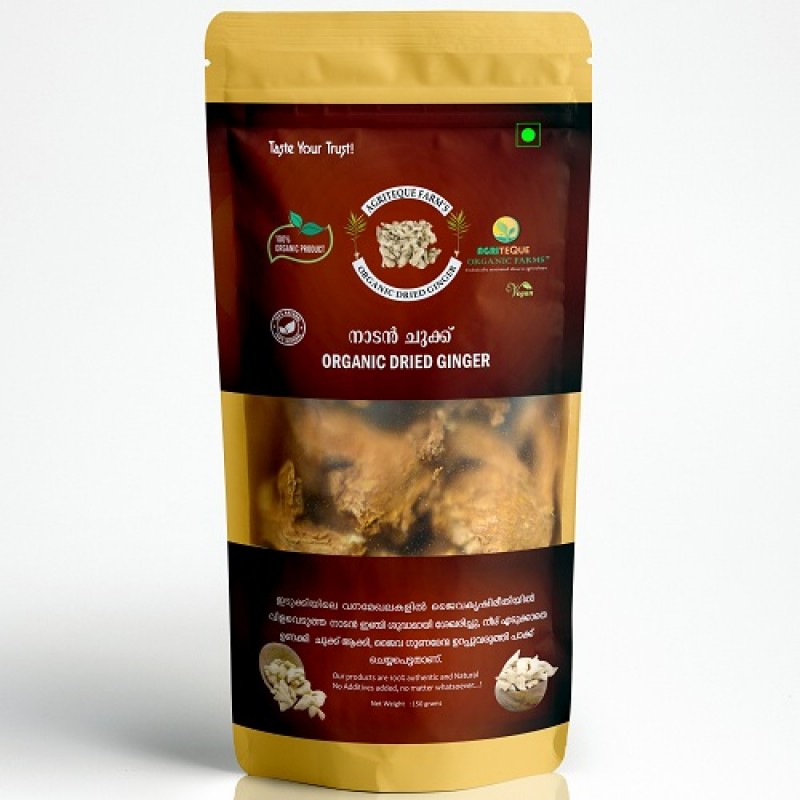
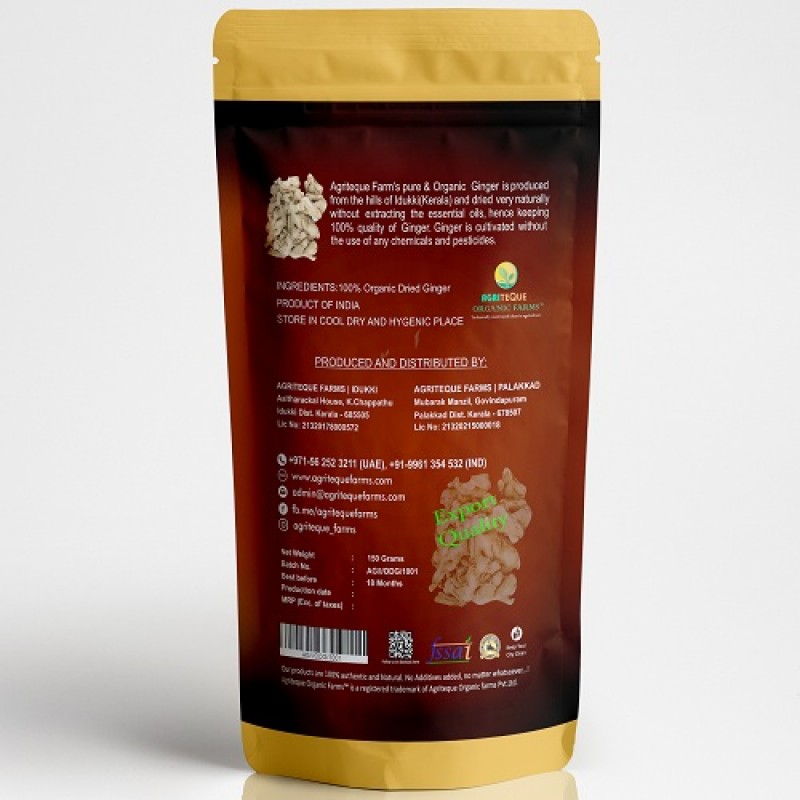
Agriteque Organic Dried Ginger
₹110
- Brand: Agriteque Organic Farms
- Product Code: Agriteque Organic Dried Ginger
- Availability: In Stock
- Ex Tax: ₹105
Available Options
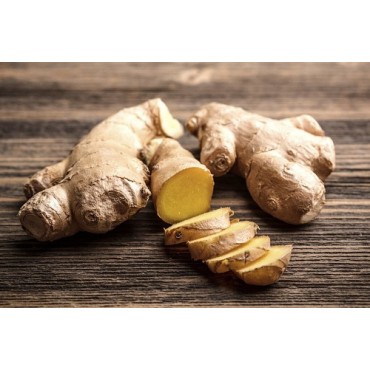
Dry ginger, known as "saunth" or "sonth" in Hindi, holds significant importance in Indian cuisine, both for its flavor and its medicinal properties. Here are several reasons why dry ginger is valued in Indian culinary traditions:
Flavor Enhancer: Dry ginger adds a warm, spicy, and slightly sweet flavor to dishes. Its aromatic qualities make it a popular ingredient in both savory and sweet recipes.
Digestive Aid: In Indian cuisine, dry ginger is often used as a digestive aid. It helps in stimulating digestion, reducing bloating, and relieving gastrointestinal discomfort. It is commonly consumed after meals in the form of "saunth" or "sonth" drinks.
Medicinal Properties: Dry ginger is known for its various medicinal properties in Ayurveda, the traditional Indian system of medicine. It is believed to have anti-inflammatory, anti-nausea, and anti-microbial properties. It is also used to alleviate symptoms of colds and coughs.
Preservative: Due to its antimicrobial properties, dry ginger was historically used as a preservative for pickles, chutneys, and other food items, especially in regions with hot climates where food spoilage was a concern.
Versatility: Dry ginger is a versatile ingredient that can be used in various forms. It can be powdered and added directly to dishes, used to make pastes or sauces, or infused into beverages like tea or herbal concoctions.
Religious and Cultural Significance: In addition to its culinary uses, dry ginger holds religious and cultural significance in India. It is often used in religious rituals, festivals, and ceremonies.
Ingredient in Traditional Remedies: Dry ginger is a common ingredient in many traditional Indian remedies and home remedies for various ailments. It is used in herbal teas, decoctions, and poultices for its therapeutic effects.
Overall, dry ginger plays a multifaceted role in Indian cuisine, from enhancing the flavor of dishes to offering numerous health benefits and cultural significance. Its presence in both culinary and medicinal contexts underscores its importance in Indian gastronomy and traditional practices.