
Every time you try feeding your child so...
05/10/2021 | Craveandcart

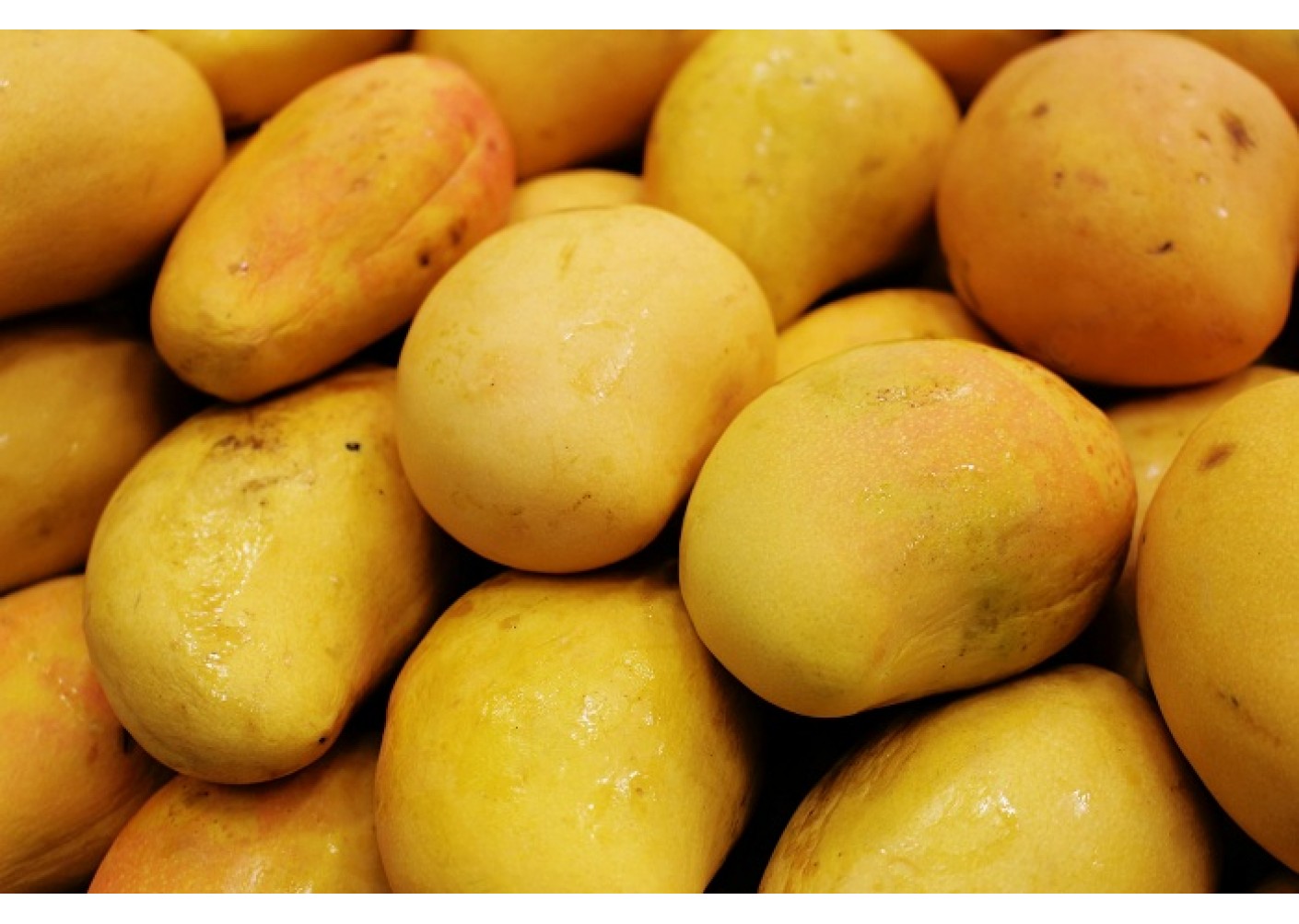
The
King of fruits- Mangoes are sweet, creamy fruits that have a range of possible
health benefits. They are highly popular around the world for the simple reason
being their exquisite taste.
The
mango is a member of the drupe family. This is a type of plant food with a
fleshy outer section that surrounds a shell, or pit. This pit contains a seed.
Olives, dates, and coconuts are also part of this family.
There
are many different kinds of mango. They vary in color, shape, flavor, and seed
size. Although mango skin can be green, red, yellow, or orange, its inner flesh
is mostly golden yellow.
Here
we will discuss the health benefits of mango, its nutritional value, and some
interesting ways mangoes can be consumed.
Benefits
Consuming
mangoes can help protect and strengthen the body in several ways. Some ways in
which mango help are as below.
Age-related macular degeneration
The
zeaxanthin contained in mangoes can prevent age-related macular degeneration.
Mangoes contain an antioxidant called
zeaxanthin. A 2019 review suggests that zeaxanthin may play a protective role
in eye health and prevent damage caused by macular degeneration. This is an eye
condition that worsens as you age. The review cites the anti-inflammatory
properties of zeaxanthin as a possible cause of this protective mechanism.
Cancer
A
2014 study from Japan found that fruits and vegetables that contain
carotenoids, such as mangoes, can reduce the risk of colon cancer.
Additionally, the Skin Cancer Foundation suggests that a diet rich in
beta-carotene may help protect against skin cancer. Orange fruits and
vegetables, such as mangoes, contain beta-carotene. They also suggest that it
can increase the effectiveness of the immune system against disease.
Diabetes
A
study of mango leaves found that some plant compounds have a strong impact on
diabetes risk factors. These included lower body weight, reduced blood sugar
levels, and lower blood fat levels.
This study does not clarify whether the mango
pulp offers the same benefits. However, one study found that eating
freeze-dried mangoes lowered blood sugar levels in obese people.
Heart disease
The
fiber, potassium, and vitamin content of mangoes help keep arteries working and
reduces the risk of heart disease.
Increasing potassium and sodium in the diet is
among the most important dietary changes a person can make to reduce the risk
of high blood pressure.
Skin and hair
Mangoes
also support skin and hair health, as they provide a good amount of vitamin A.
This nutrient helps the skin provide an oily substance called sebum, which
moisturizes the hair. Vitamin A is also considered extremely vital for the
growth of all bodily tissues, including skin and hair.
One
cup of sliced mango provides 60.1 milligrams(mg) of vitamin C. This comprises
most of a person’s daily requirements, according to expert Dietary Guidelines.
Consuming
enough vitamin C supports the development and maintenance of collagen. This provides
structure to the skin and hair.
Nutrition
One
165-gram (g) cup of sliced, raw mango provides:
● 99 calories
● 1.35 g of protein
● 0.63g of fat
● 24.7 g of carbohydrate
● 22.5 g of sugar
● 2.64 g of fiber
Mangoes
are an excellent source of vitamins and minerals. They can contribute in a big
way to the daily requirement for several nutrients
Mangoes
also contribute copper, calcium, and iron to the diet, as well as the
antioxidants zeaxanthin and beta-carotene, and hence is one of the most
nutrient-rich fruits that can be consumed.
Recipes
It
is best not to judge the ripeness of the mango by its color. People should look
for fresh mangoes that are a little soft to the touch when ripe.
Mangoes should not have black freckles on
their skin. They continue to ripen at room temperature. When they have reached
the ideal maturity, it is best to store them in a plastic bag in the
refrigerator for no more than 2-3 days.
Mangoes taste best when slightly cold, when
not eaten directly from the tree. One of the best ways to enjoy a fresh mango
is to dice it and eat it without any additional ingredients.
Other
options include:
● Making a tropical fruit salad with
fresh papaya, pineapple, and mango
● Adding mango into a glass of
lemonade, iced tea, or water for a burst of fresh, fruity flavor
● Making a fresh salsa with papaya,
mango, jalapeno, red peppers, and chipotle pepper, and using this as a topper
for fish tacos
● Adding a few slices of frozen mango to
smoothies and combining them with pineapple juice, frozen strawberries, and
Greek yogurt for a sweet, tropical treat
● Alternatively, people can try the
following recipe for black bean burgers with chipotle mango guacamole. It
provides a combination of plant-based proteins and complex carbs with an
additional antioxidant boost.
Mangoes,
sadly, though one of the widely loved and devoured fruit, is seasonal and hence
the demand and price of mangoes are high. No one would miss a chance to get a
taste of mango even in the off-seasons, be it in the form of dried mango sweets
or shrikhand or other mango items made from preserved mangoes. With Crave and
Cart, you can get your beloved fruit in the most interesting and delicious
forms in a matter of no time. Order your favorite mango bite today from us.

