

Blog
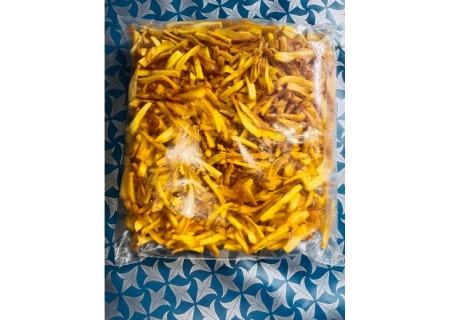
The Crunch of Kerala: All About Chakka Upperi
When you think of Kerala, you may picture swaying coconut palms, lush green landscapes, steaming cups of tea and the irresistible aroma of homemade snacks. Among the many flavours that make Kerala special, Chakka Upperi — crispy Jackfruit Chips — holds a place of its own.
Made from one of Kerala's most beloved fruits, Chakka Upperi transforms jackfruit into a deliciously crisp snack with a distinctive flavour and satisfying crunch. It is the kind of snack that finds its way naturally onto tea-time tables, festive spreads, travel bags and family gatherings.
For those who grew up in Kerala, that first bite can bring back memories of home. For anyone discovering it for the first time, it is a delicious introduction to the unique flavours of Kerala.
So, what makes Chakka Upperi such a much-loved Kerala snack? Let's take a closer look.
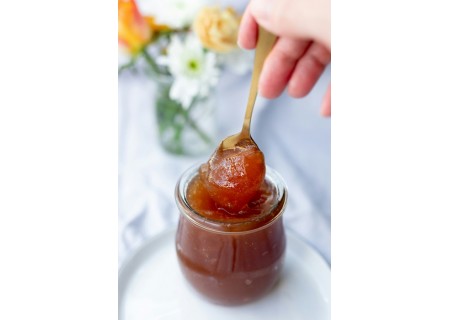
The Sweet Story of Jackfruit Jam
Few fruits have a flavour as distinctive and memorable as jackfruit. From its rich aroma to its naturally sweet, tropical character, ripe jackfruit has been enjoyed and cherished in Kerala for generations. Jackfruit Jam brings this much-loved fruit into a convenient form, making it easy to enjoy its delicious character at breakfast, snack time or whenever you are looking for something a little different.
Whether jackfruit reminds you of home, childhood summers and family gatherings, or you are simply discovering its unique flavour for the first time, Jackfruit Jam offers a delightful way to enjoy one of Kerala's most beloved fruits.
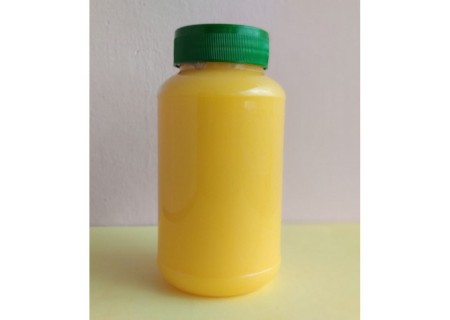
Homemade Ghee: The Taste That Feels Like Home
Homemade ghee is more than just a kitchen staple—it is a taste of tradition, warmth, and the comforting flavours of home. With its beautiful golden colour, rich aroma, and distinctive taste, traditionally prepared ghee has been cherished in Indian kitchens for generations.
From a simple serving of hot rice to delicious payasam, sweets, dosa, and festive dishes, a spoonful of homemade ghee can add a wonderful depth of flavour to everyday food. At Crave & Cart, we bring you the goodness of homemade food with the care, authenticity, and traditional touch that makes every bite feel special.
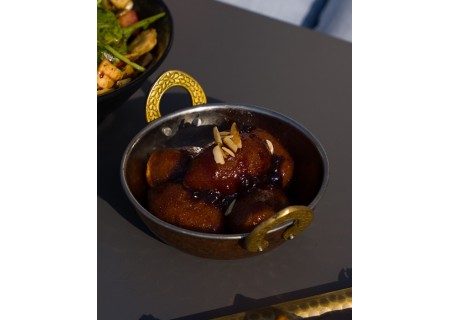
Chakka Varati ,A Spoonful of Kerala Tradition!
There are some flavours that instantly take us back home. Chakka Varati is one of them.
A much-loved traditional delicacy from Kerala, Chakka Varati captures the rich flavour and natural aroma of ripe jackfruit in a delicious, thick preserve. Traditionally prepared with ripe jackfruit and jaggery and cooked slowly, it is a beautiful example of Kerala's simple yet flavourful food heritage.
For generations, Chakka Varati has been enjoyed in Kerala homes as a way of preserving the goodness of seasonal jackfruit and enjoying its distinctive taste long after the jackfruit season has passed.
Whether you grew up eating it or are discovering it for the first time, Chakka Varati offers more than just sweetness—it offers a little taste of Kerala, tradition and home in every spoonful.
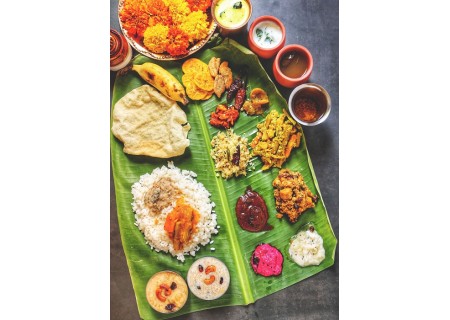
Homemade Food – A Taste of Home
Homemade food is more than just something we eat—it is a taste of tradition, care and memories. Prepared using familiar ingredients, traditional recipes and time-tested methods, homemade foods bring the warmth and authenticity of the home kitchen to our everyday lives.
From delicious snacks and pickles to sweets, spice blends and regional specialties, every homemade product has its own story. Unlike standardized mass-produced foods, homemade and small-batch foods can offer a more personal connection to traditional flavours, local ingredients and culinary heritage.
At our online store, we aim to bring these cherished flavours closer to you—carefully selected from trusted homemade and small-scale producers.
Authentic flavours. Traditional recipes. Made with care.
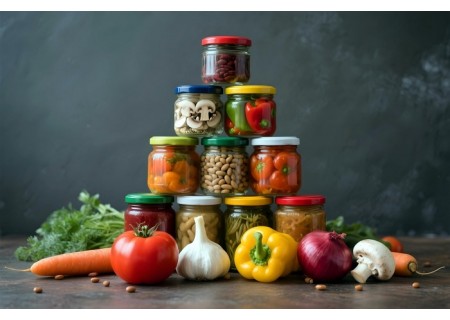
Homemade Pickle
Homemade Pickle – A Taste of Kerala Tradition
Homemade Pickle is more than just an accompaniment—it is a delicious expression of Kerala's rich culinary heritage. Prepared with carefully selected ingredients, traditional spices and time-honoured recipes, homemade pickles bring together the perfect balance of tangy, spicy, salty and savoury flavours.
From lemon and mango to pineapple, mixed vegetables, prawns and beef, Kerala offers a wonderful variety of homemade-style pickles, each with its own distinctive taste and character.
A small spoonful can instantly add a burst of flavour to steamed rice, curd rice, kanji, chapati, dosa, puttu and many other favourite dishes.
At our online store, we bring you the comforting flavours of traditional Kerala homemade pickles, carefully prepared to capture the taste and warmth of a Kerala home kitchen.
Experience the authentic taste of Kerala—one delicious spoonful at a time.


